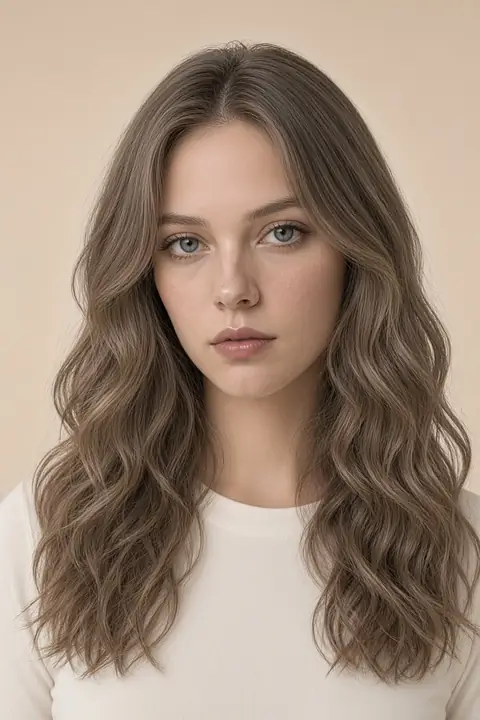
 Curly hair filter
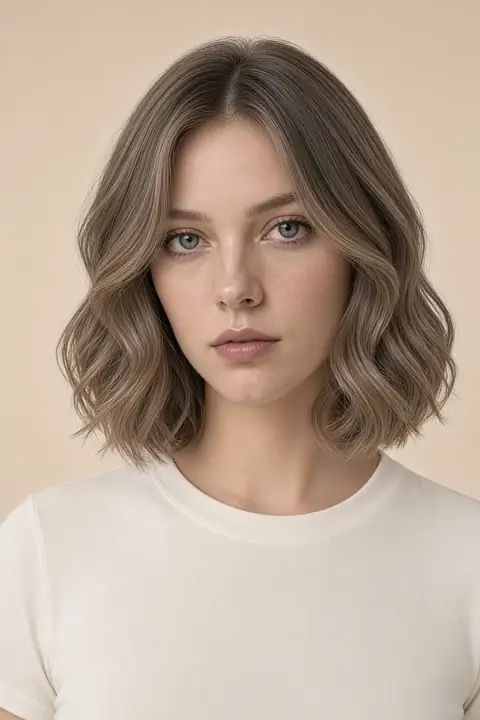 Perm filter
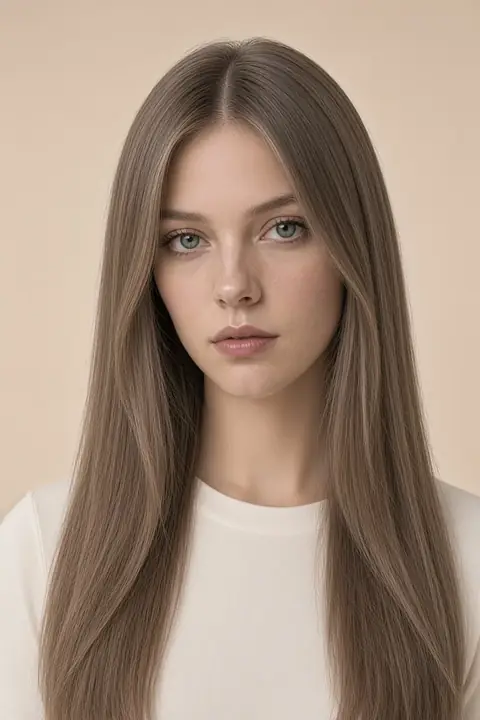
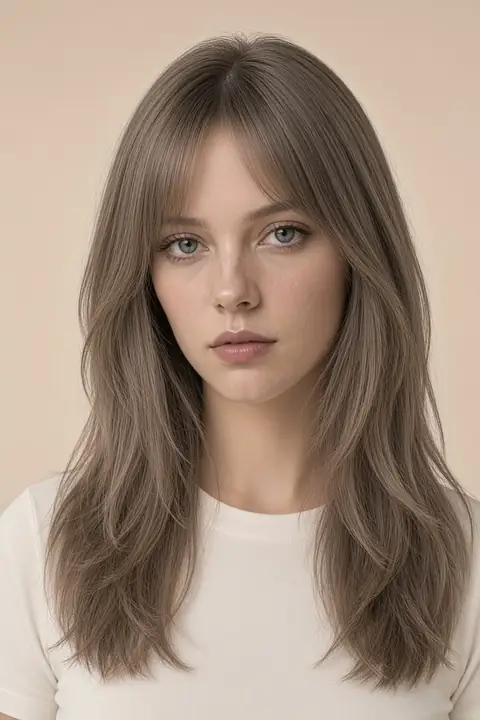 Layered hair
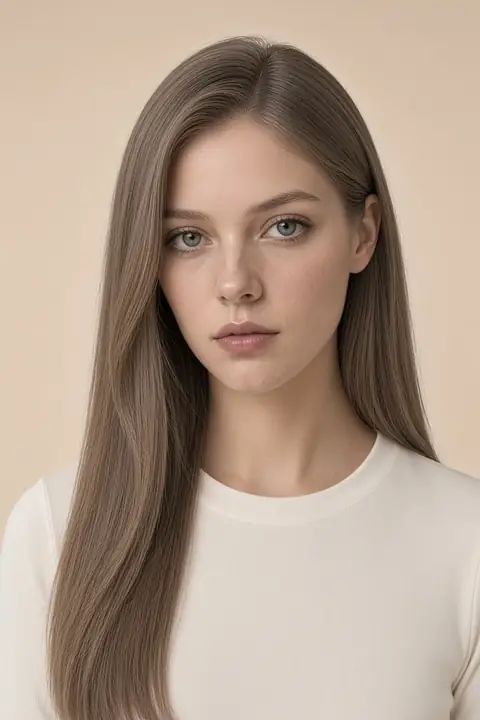 Side part
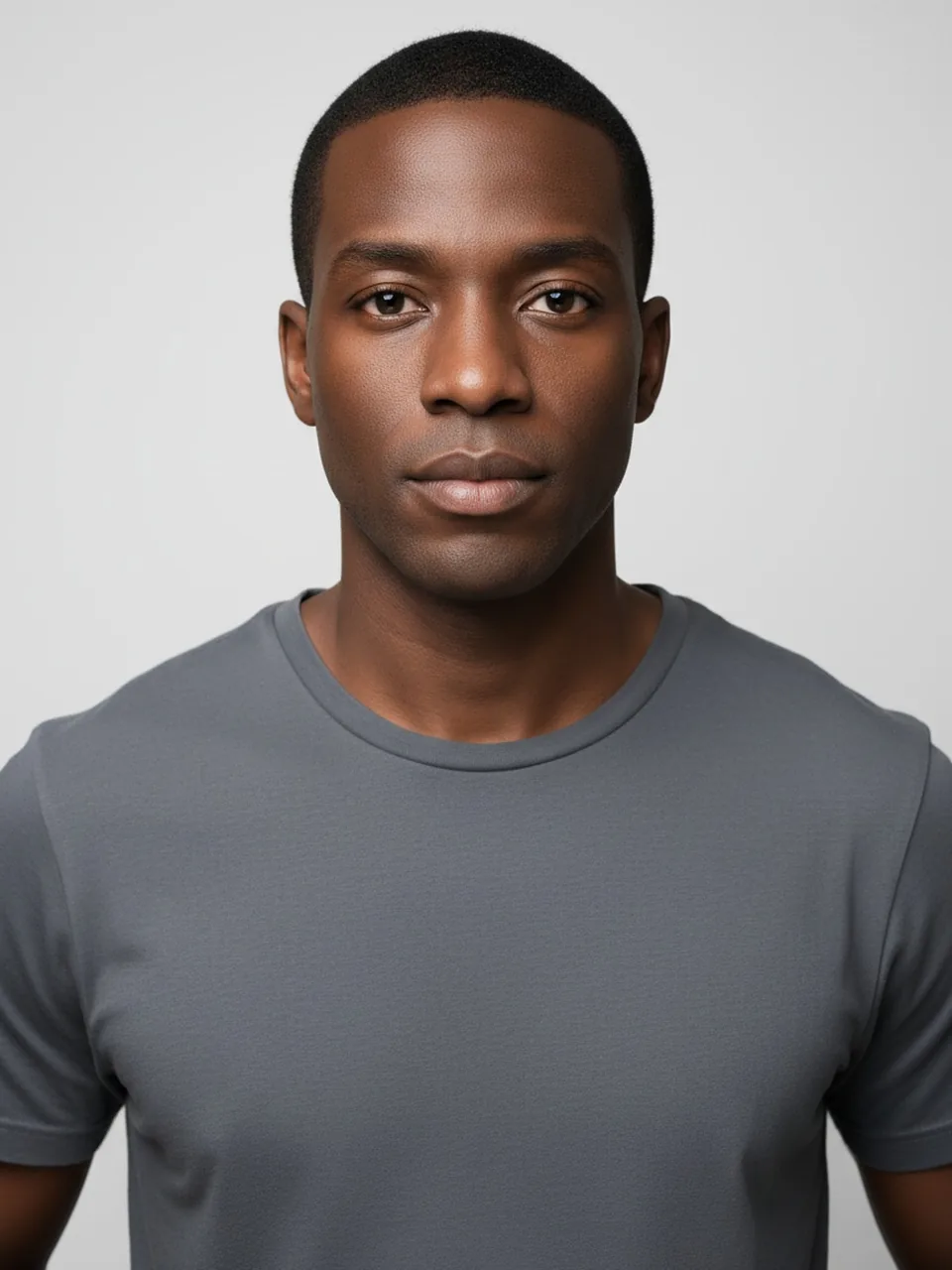
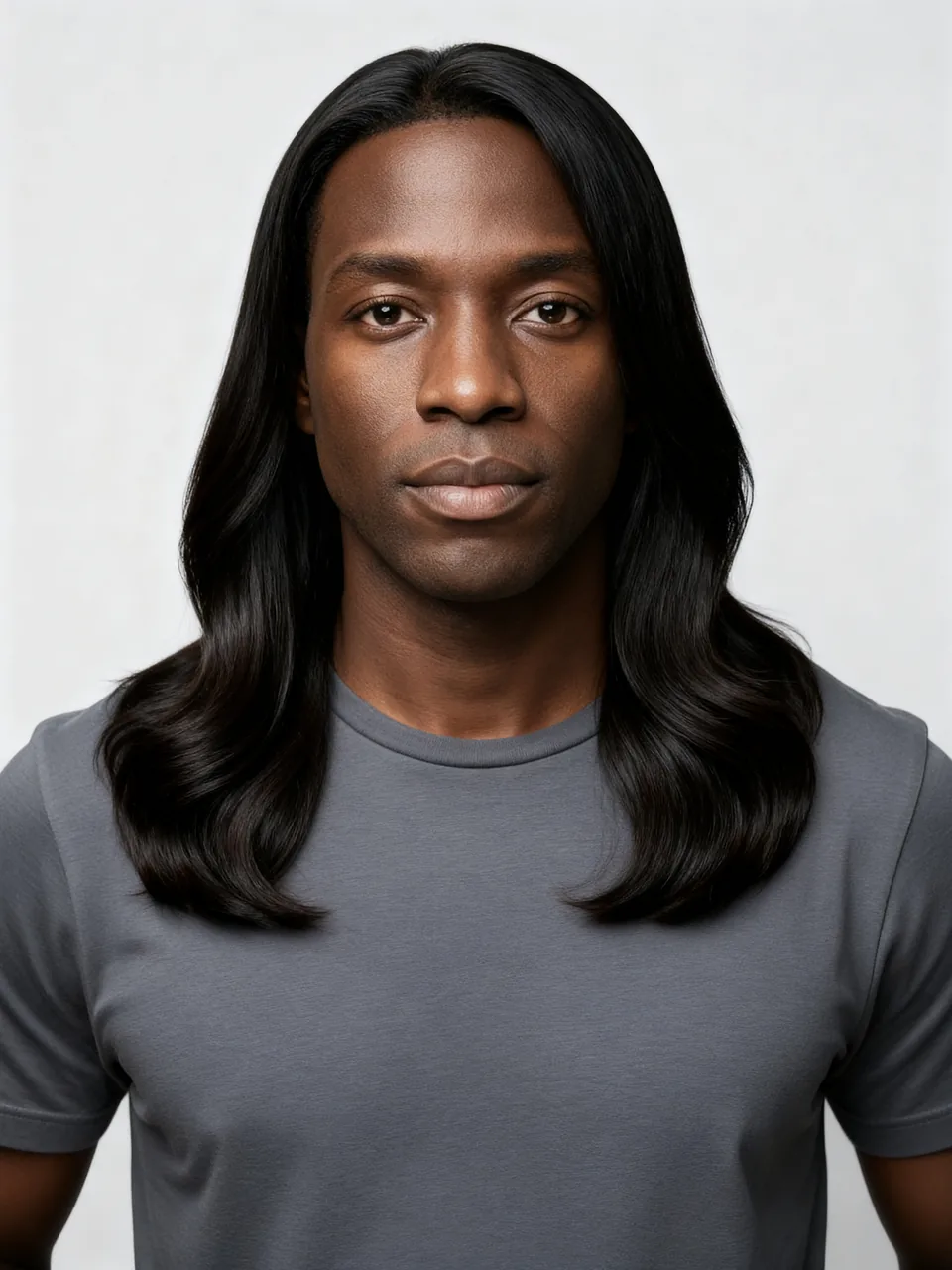
How would I look with long hair is a picture of one evening, not a year of growing it out. Shoulder-length hair is a calendar, not a toggle. From a buzz, a year is a short guess, and fine hair spends most of that year looking like a thin curtain. The picture this page makes skips the collar stage, the split ends, and the months a half-grown cut argues with your jacket. The skip is why the picture is useful, and why you should not confuse it with a plan. The question how would i look with long hair is what the picture answers.
What the picture shows
We ask for hair that reads long on the person in the frame: past the jaw, toward the shoulders or farther, in the color already there. We ask the face, the clothes, and the room to remain. We do not ask for a chosen part, a layered cut, or a miracle in which fine hair suddenly throws a shadow.
The part is where the face question actually lives, which is the plain version of "what would long hair do to my face." A center part opens the forehead and can lengthen the look of the nose. A deep side part covers one brow and hides a temple you may be used to covering. The model chooses. A strong part in the source photo often continues, sometimes too far, dragging a left part into hair that should fall behind the shoulder. Inspect the scalp along that line. A poreless pink seam is painted. A part that follows a cowlick you recognize is the more usable result.
Ends carry as much information as inches. Blunt ends move as one piece. Layered ends break the outline so less hair suggests more motion. The render likes a glossy sheet with a single curl at the bottom, because that shape is easy to label "long." If your ends fray, the sheet is a costume. Compare it with a photo of today's ends. Density that doubles or triples was added by the model. It is not a growth phase you can wait for.
Fine hair does not make the poster version
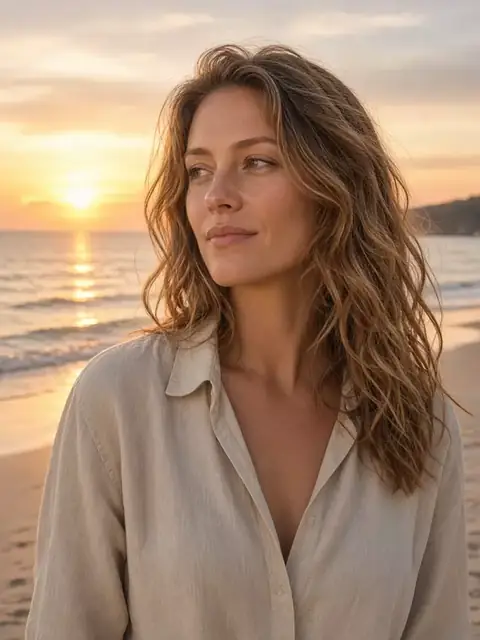
Thick hair at the shoulder has weight. It stays inside a coat, it tugs forward, and it builds a triangle that competes with the shoulders. Fine hair at the same length collapses, shows scalp at the part, and looks lighter than it did when it was short and stacked. The generator prefers the thick version. If your hair is fine, a heavy, opaque, salon-shiny sheet is the wrong answer to how would I look with long hair. It is the answer for someone whose hair already has mass.
The ends need a shoulder to land on. A crop that stops at the chin gives the model no landing, so the hair floats in front of a vague torso or pastes on like a stole. Include your shoulders. Wear a neckline you own. We ask for the same garment. When the shirt becomes a drape that matches the new hair, the length in that file wandered too.
Color is untouched on this control. A grow-out does not dye itself. Ends that fade several shades lighter are an invented sun streak. An actual blonde pass is the Blonde hair filter, either on a photo that already has length or on a result whose length you have already accepted. Curl changes the outline more than extra inches do, and it shrinks what you think of as length. That test is the Curly hair filter. This page will not preview both at once.
What the evening leaves out
Nobody's bag strap, drying time, or skipped trim appears in the file. Use it for the visual questions only. Does the forehead feel larger, does the jaw disappear, do you miss seeing your ears. The months between a short cut and this picture are still months. How would I look with long hair does not include month four, when the ends are at the collar and the shape is neither cut.
Wear the hair down. A bun tells the model nothing about density, so it invents length and thickness together. If your hair is already long and you only wanted it longer, a small change is a dull success, not a defect. If you are starting short, more of the image is guesswork, so judge the face harder than the shine.
How to use the long hair filter names each control. The other cuts are on Hairstyles. Faces you do not want to publish can be blocked locally with Face blur.
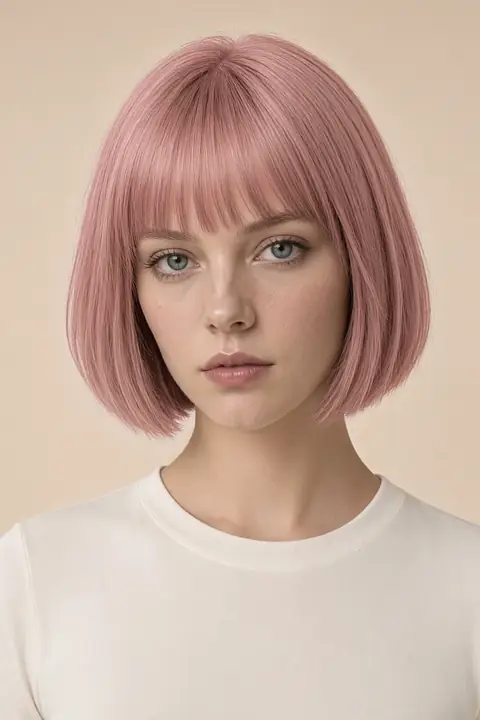 Hair color
 Facial hair
 Photo privacy
 Headshots
 Clothes
 Enhance
 Background
 Remove