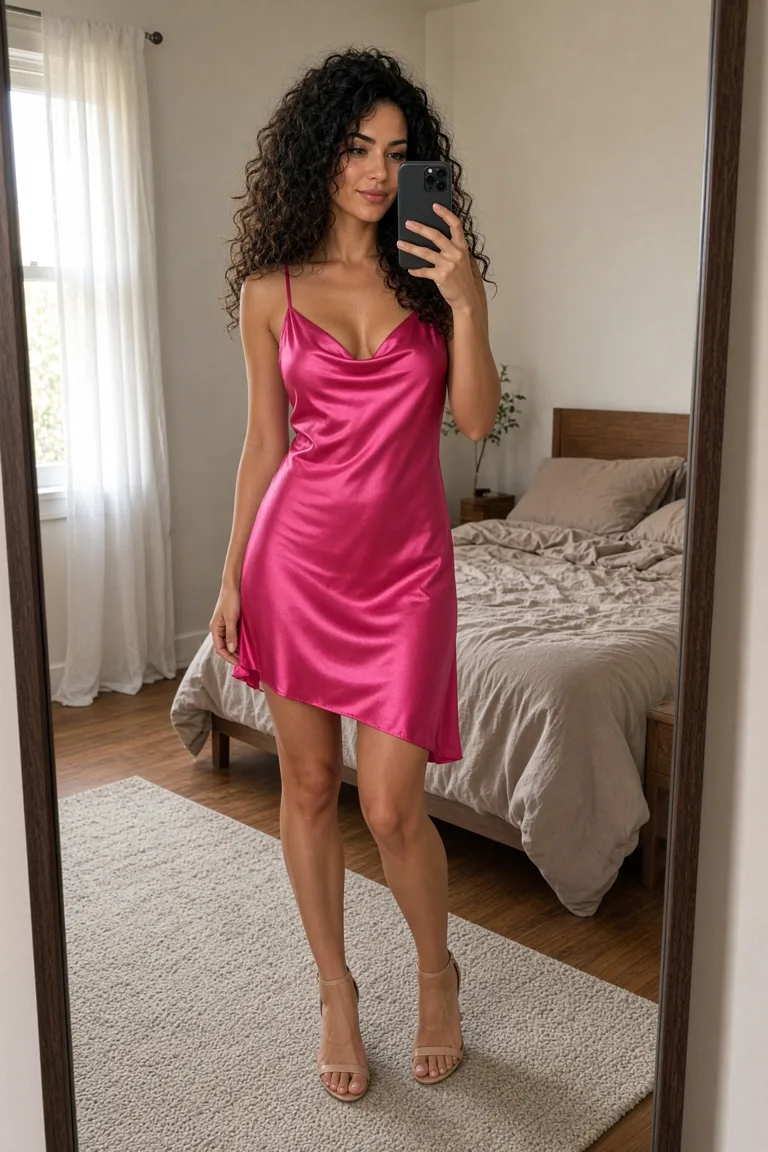
 Date night
How the outfit changer works
- 1
Start with the occasion
Date night, office, wedding guest, travel, streetwear, formal, or gym. The starter sentence is only a draft.
- 2
Name the clothes
Change the draft until it matches the garments and colors you want to see. Leave logos and brand names out.
- 3
Generate on your photo
Upload one adult, then press Generate.
Outfit ideas by occasion
- Date night
A date-night outfit is clothes for after work, not a costume and not a reservation. The sample is a satin dress in a bedroom mirror: one color, a soft sheen, nothing printed on the cloth. Type the piece you want, such as a black shirt with dark trousers, or a slip dress and a short jacket. Face, hair, and the room are asked to stay. Use the picture to see that color next to your skin before you buy the garment. It will not book a table. Open the sequins preset when the garment is already the one you want.
 Office
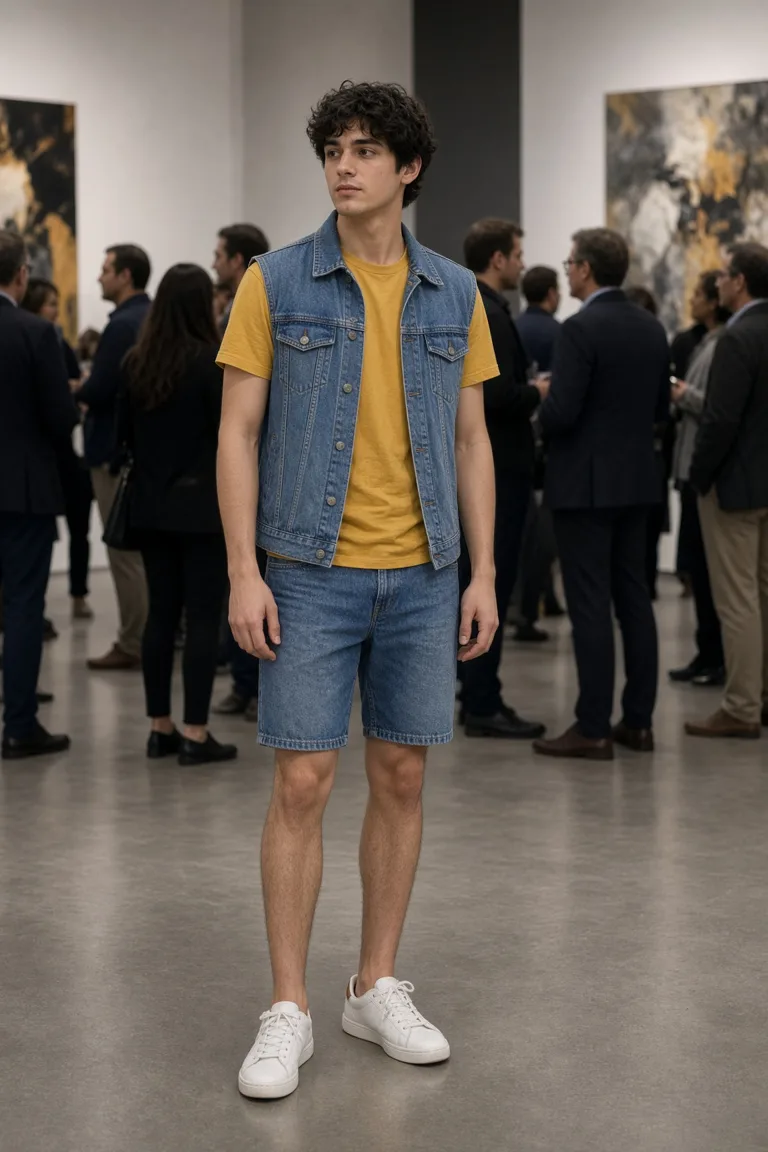
An office outfit here means clothes for a daytime meeting. The sample is a denim layer in a bright gallery, neat without pretending to be a suit catalog. If you need a blazer, name it: navy jacket, plain shirt, dark trousers, no logo. Keep the torso in the photo. A face-only crop gives the edit little clothing to replace. Your employer’s dress code is not in the picture, so treat the file as a preview, then decide. If the jacket warps the shoulders, run it again with a shorter sentence. Open the denim preset when the garment is already the one you want.
 Wedding guest
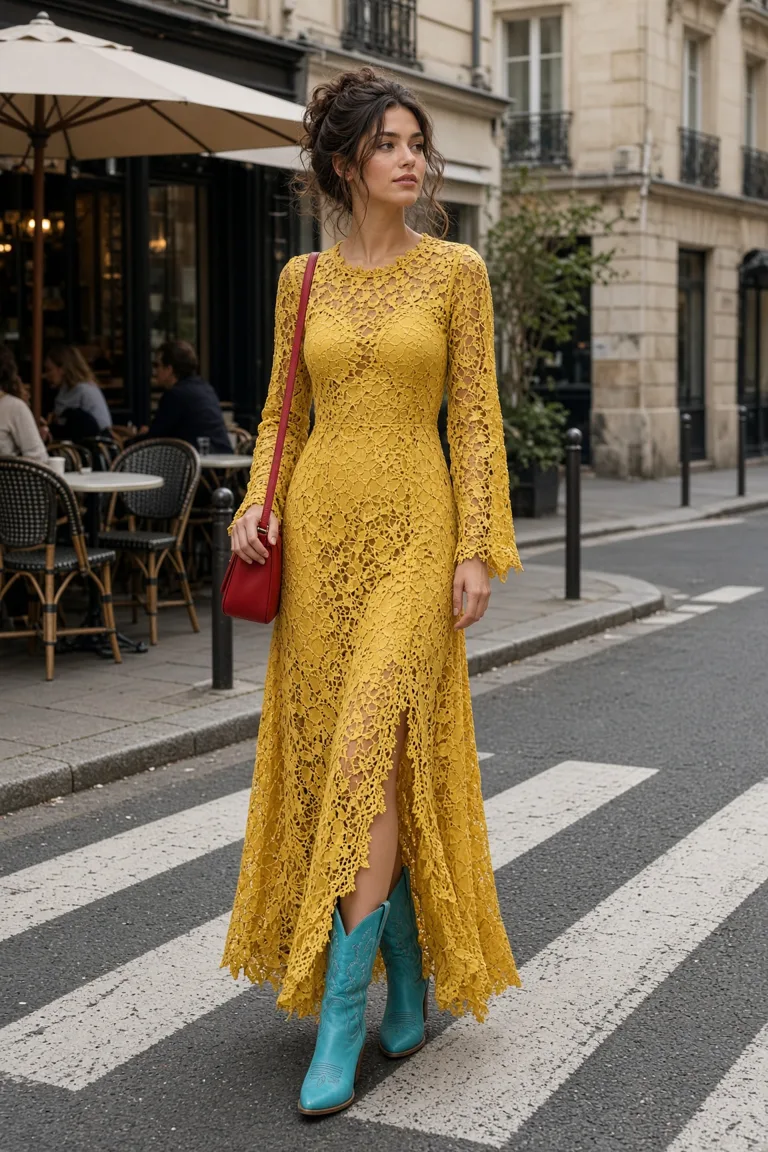
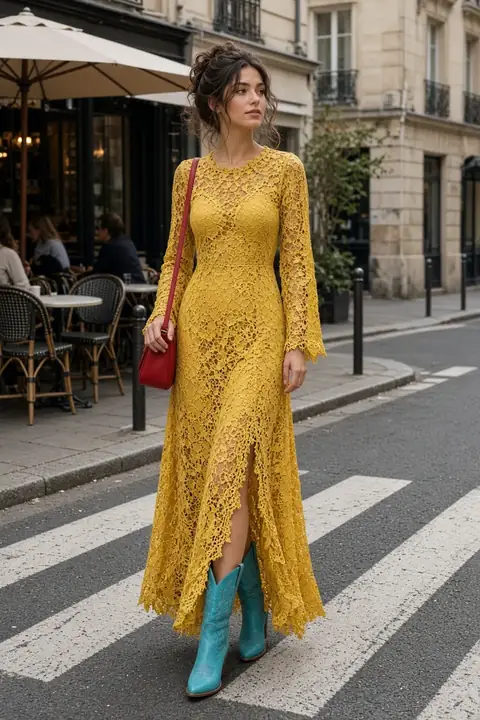
Wedding-guest clothes are what you wear to someone else’s ceremony, not a gown for the person getting married. The sample is a lace dress on a crosswalk, so you can see lace on a real street before the weekend. Say the color and the length: sage midi, covered shoulders, simple heels. Leave the veil and the bouquet out unless you want those objects in the frame. The face should stay yours. If it moves, do not pay for that file. Put invitation words in your own layout program. Letters inside the picture are not reliable. Open the paisley preset when the garment is already the one you want.
 Travel
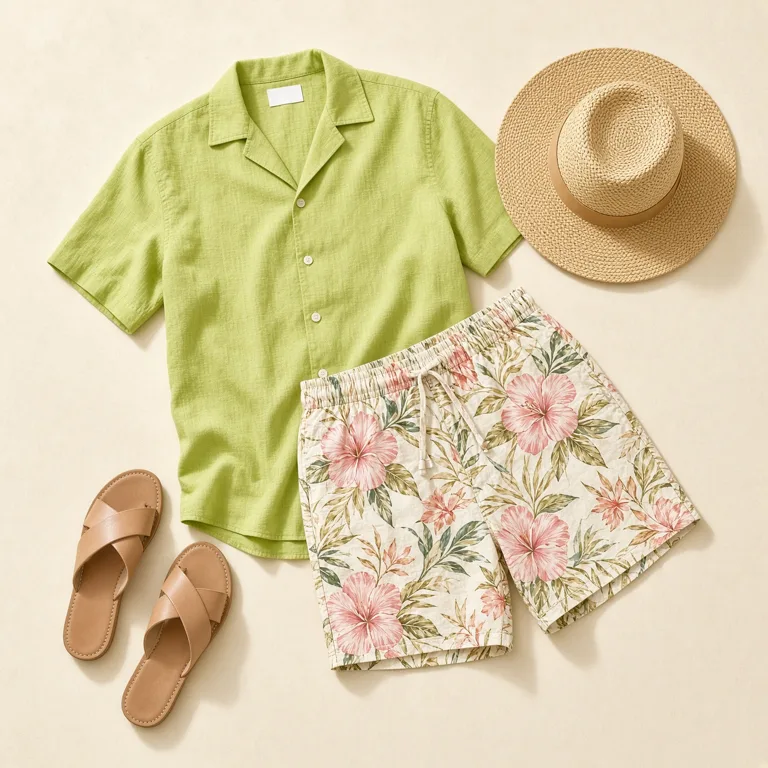
A travel outfit is what you pack when the day includes walking. The sample is a lime shirt with floral shorts, a set to check before a trip rather than a postcard of a landmark. Name the climate: linen shirt, light trousers, and sandals, or a coat if the city is cold. The place in your photo is asked to stay, so a kitchen should not turn into an airport. After the run, look at pockets, straps, and hems. Tiny logos will not come out readable. The picture is a packing check, not a ticket. Open the resort preset when the garment is already the one you want.
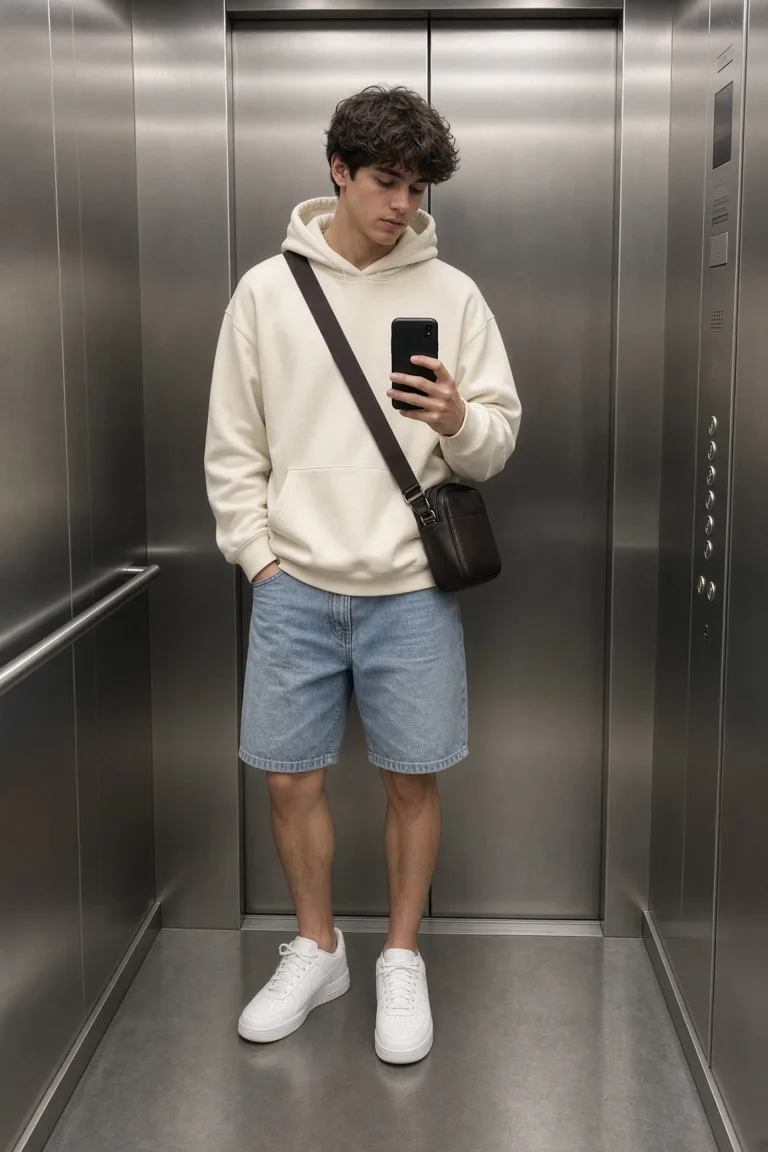 Streetwear
 on this page is a hoodie, shorts, and sneakers, not a logo you do not own. The sample is one person in a hoodie, in an elevator, with the clothes visible. Type the colors: gray hoodie, black shorts, white sneakers. Leave brand names out. Face, hair, and the elevator are asked to stay. A hat can cover the hairline, so remove it in the source if the hair matters. The result shows the clothes. It does not measure the chest, the inseam, or how the cloth feels after a day of walking. Open the colorblock preset when the garment is already the one you want.
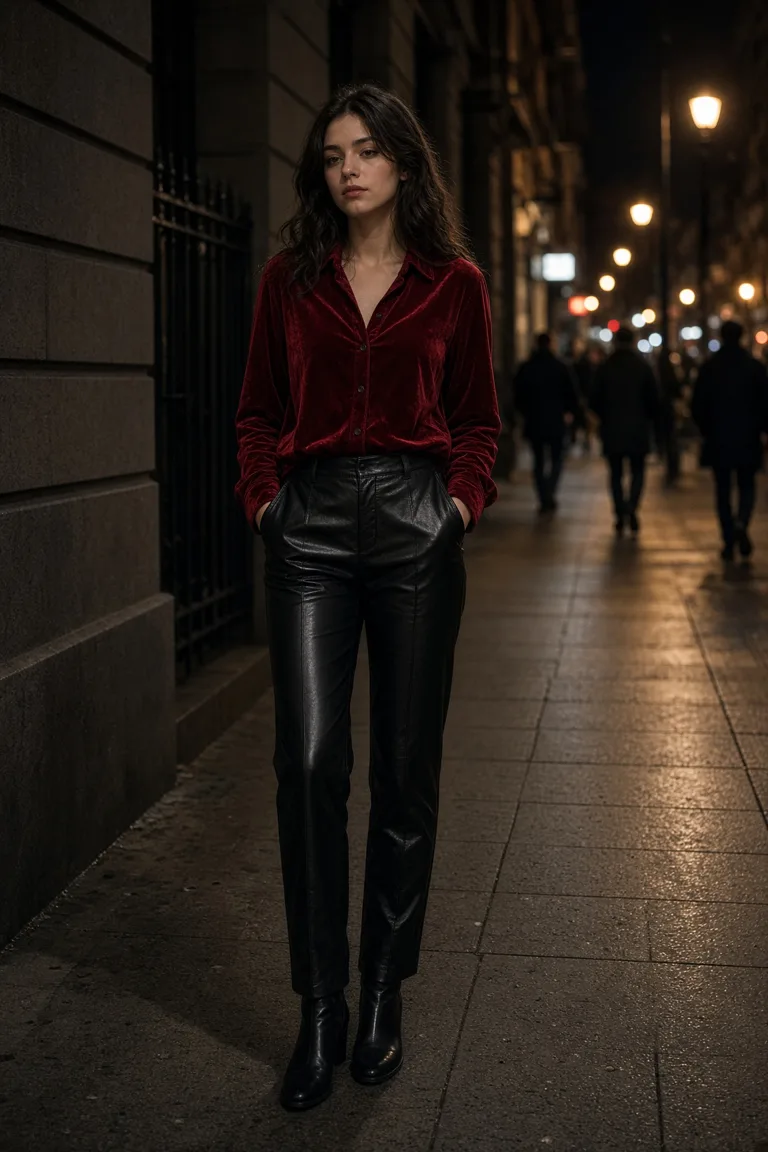 Formal
A formal outfit is the dressier set: a dark suit, a long dress, or the evening clothes you describe. The sample is a velvet shirt and leather trousers on a night street, louder than a quiet dinner. If you want quieter, say so: black suit, plain shoes, no sequins. The night light in the sample is not required in your photo. Face and pose are asked to stay. Ignore letters on a sign. They were not requested. Use the picture to compare one formal option with another before you rent or buy. It is not a seating chart. Open the embroidery preset when the garment is already the one you want.
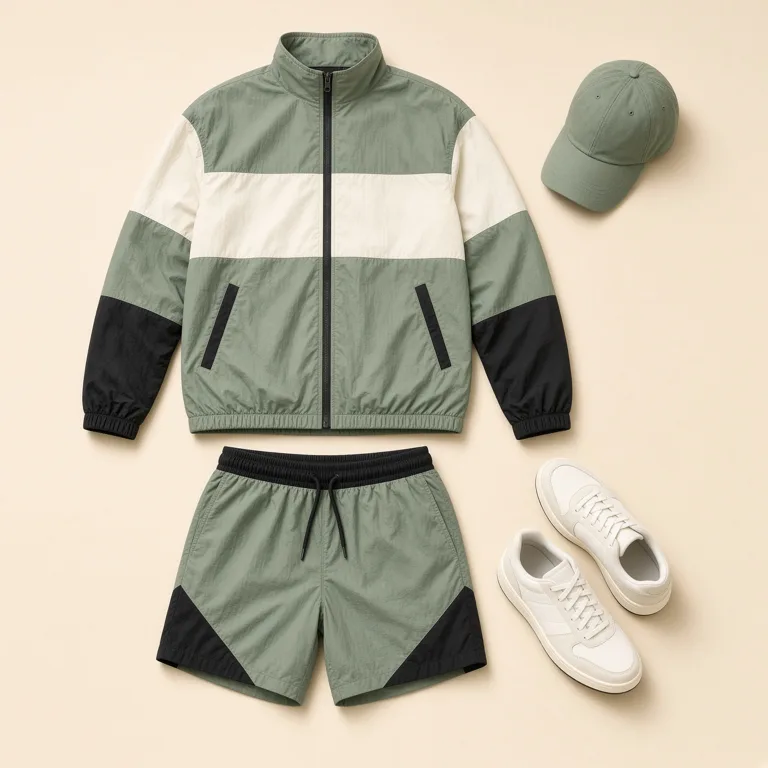 Gym
A gym outfit is training clothes: a tee or a light jacket, shorts, and sneakers. The sample is a colorblock windbreaker with shorts. Type the pieces, such as a black tee and running shorts, and leave team names out. The body in the photo stays. This page does not change weight or muscle. Keep the feet in frame if the shoes matter. A crop at the shoulders cannot show the shorts. The file is a picture of the kit, not a workout plan. If the sleeves fuse into the arms, discard it and run again. Open the sporty preset when the garment is already the one you want.
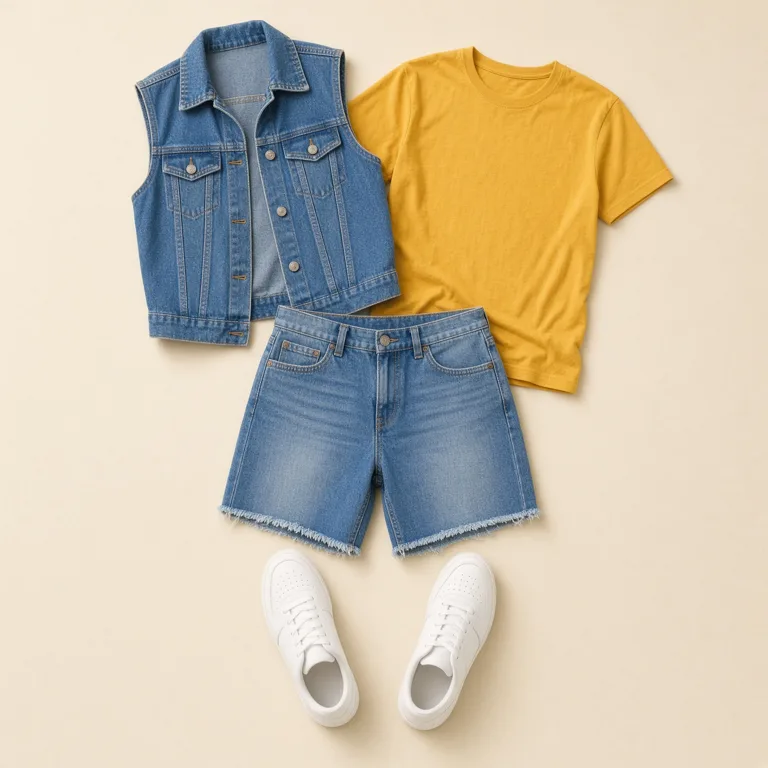 Kids
This page does not change clothes on a child. Upload a photo of an adult only. The picture beside this note is an adult denim outfit, so the card has an example, not a child for the editor to dress. If a child is in the frame, do not run that file. An adult who wants a plain family-day outfit can type it for themselves: tee, jeans, sneakers. A scene with two adults belongs on the family photo page, still with adults. There is no school-uniform tool and no reason to send a minor’s photo here. Open the western preset when the garment is already the one you want.
Outfit changer vs clothes changer
Use this page when you know the plan for the day and you are still choosing the clothes. The occasion sets the draft, and you rewrite the sentence until the garments are specific. Use the clothes changer when you already have a preset in mind, a photo of the garment, or a description that is only about the pieces and not about the day. Both ask the face, the hair, the pose, and the place to stay. Neither one measures a size or predicts how a fabric will feel. A haircut is Hairstyles. A dye is hair color. An outfit change does not cut hair.
AI outfit generator from a prompt
The box above is the generator. A useful sentence names the garments, the colors, and one occasion, then stops. “Sage midi, covered shoulders, wedding guest” is enough. “Make it expensive and viral” is not, because the model has nothing to put on the body. Do not paste a brand name or a paragraph of mood. The same photo can stay while you edit the sentence and run again. Each clean file is its own image. A miss, such as a melted sleeve or a second collar, is a reason to discard the file, not a reason to download it.
Virtual outfit try on
Upload a photo and name the clothes in English for a virtual outfit try on. Face, hair, pose, and background should stay. A full or half-body photo works best; a face crop has no clothes to change.
Outfit matcher
An outfit matcher puts pieces together, such as a top with trousers or a coat with a skirt. Name the color and the cut. See whether they sit together. Have the pieces as photos? Use the clothes changer.
What it costs
One image is 6 credits. A $9 pack is 120 credits, which is 20 images at that rate. A failed run gives the credits back. Prices for the other packs are on the pricing page.
For sellers and creators
A seller can start from one clear photo of an adult and describe the garment they want on that person: color, length, and the piece, such as a linen shirt or a midi skirt. That is a preview for a listing or a post, not a size chart and not a substitute for a fit model. Creators can check a look before a shoot. Keep logos off the sentence. Small text on a real label will not survive. Download is full size. If the face is no longer the person in the source, do not publish that file.
Limitations
The result is a picture. It does not know your measurements, and it does not know how a garment fits in real life. Shirt text, tiny logos, and fine jewelry often fail. The face, hair, pose, and background are asked to stay, and they sometimes do not. Discard those files. Do not upload a child. Hands and hems can fuse. Sunglasses and a heavy hat hide the parts the edit needs. This is not a tailor, a school-uniform tool, or a virtual fitting room.
FAQ
How do I try an outfit for one occasion?
Pick the occasion, read the starter sentence, change the garments if you want, and press Generate. The photo can stay while you switch occasions.
Is this the same tool as the clothes changer?
No. This page starts from the occasion. The clothes changer starts from a preset board, a clothing photo, or a short garment description.
What does one image cost?
One image is 6 credits. A $9 pack is 120 credits. A failed run gives the credits back.
Can I use this on a child’s photo?
No. Upload an adult. If a child is in the frame, do not run the file.
Can I do a virtual outfit try on without a model?
Use your own photo. No model image is required.
How is this different from an outfit matcher?
This page starts from the occasion. Matching starts from pieces you own.
 Hairstyles
 Hair color
 Facial hair
 Face
 Photo privacy
 Headshots
 Clothes
 Enhance
 Background
 Remove