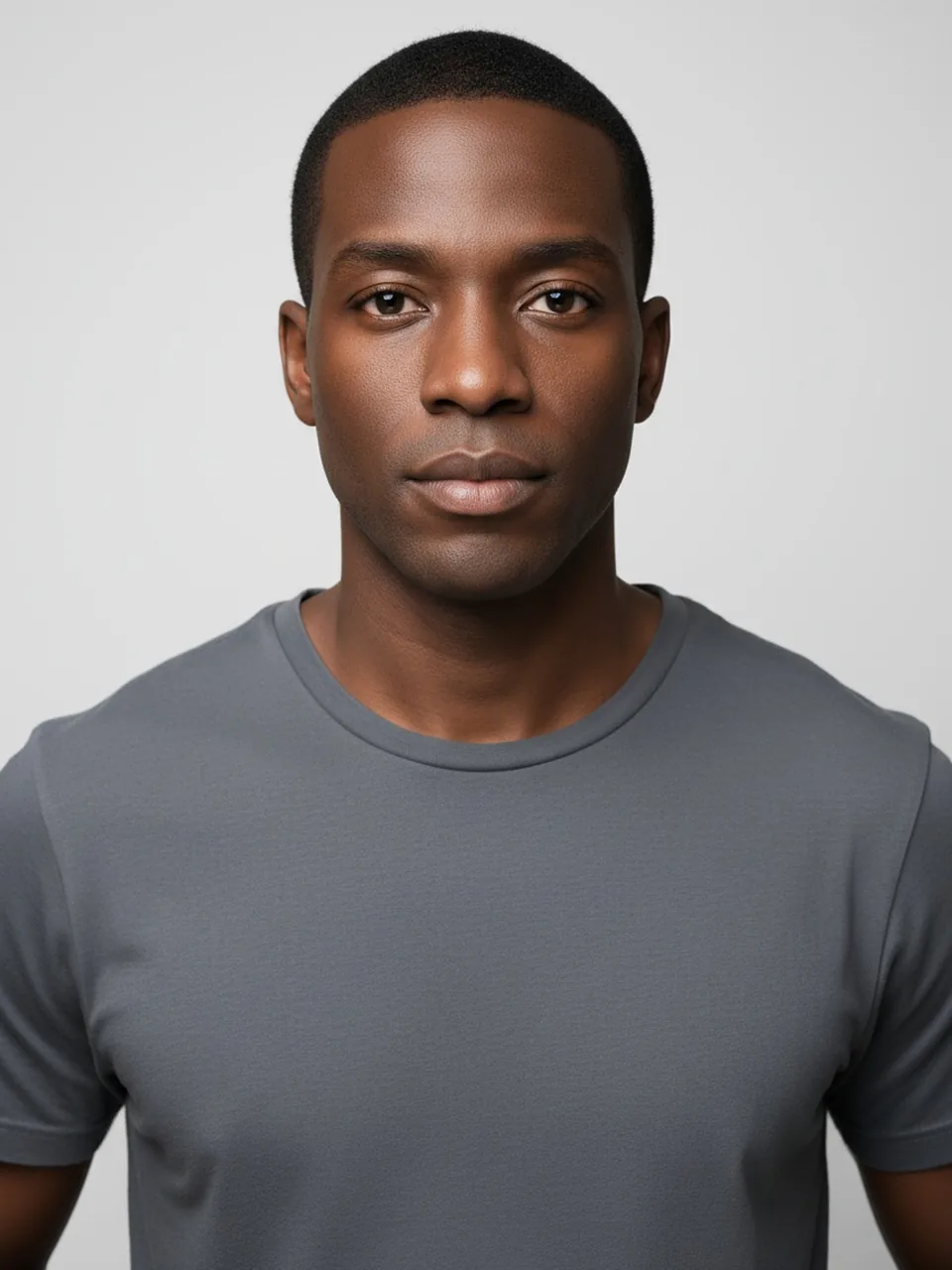
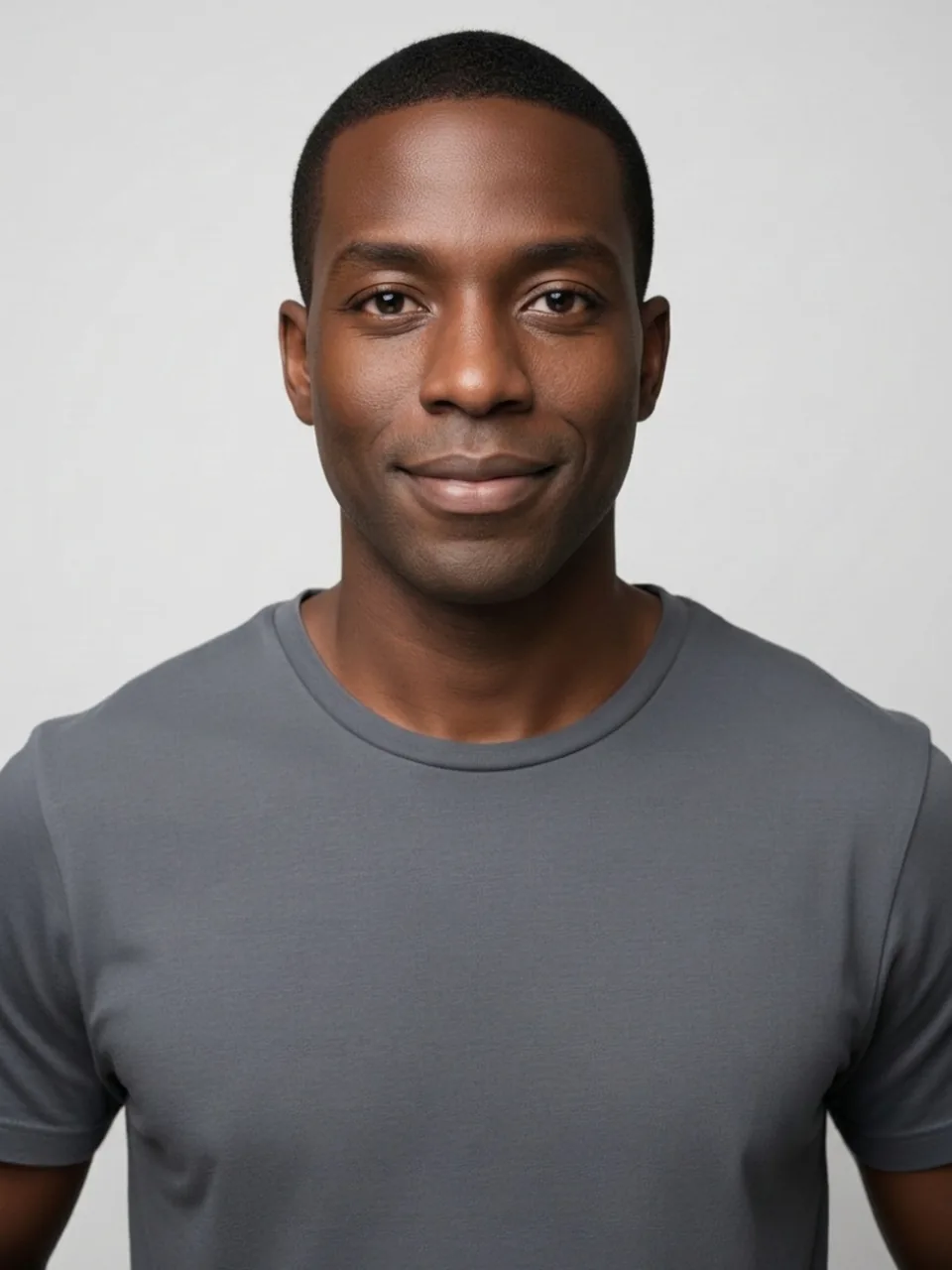
 AI age filter
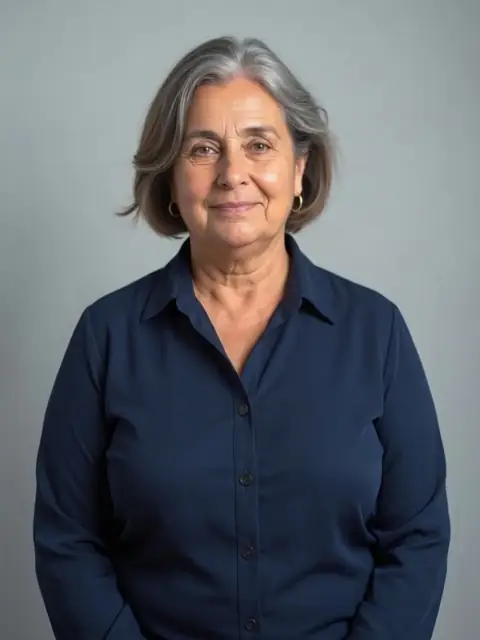 Fat filter
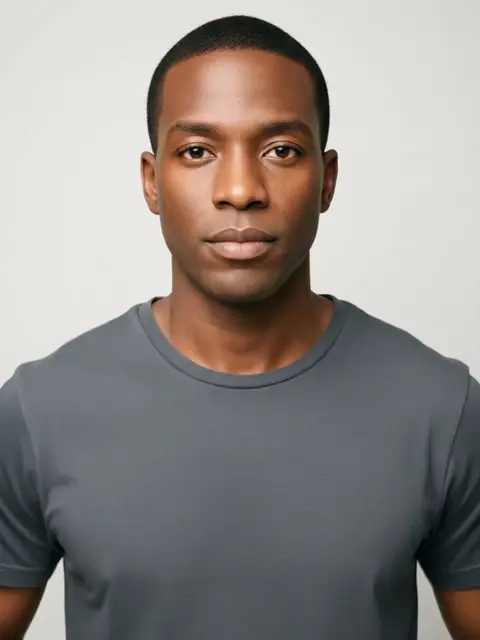 Skin color changer
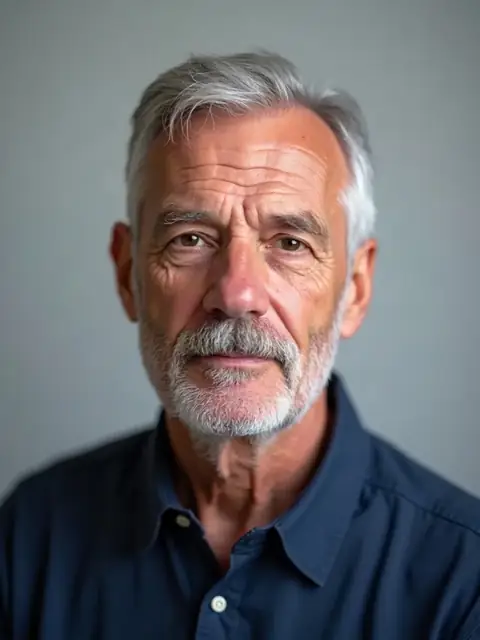 Eye color changer
A smile is a change of mouth and expression, and it is easy for a model to treat as permission to rebuild the lower face. This page asks for a natural smile. It does not ask for a new jaw, a new set of teeth you do not have, or the wide promotional grin that shows up when generators hear the word "happy."
The mouth you have, in a different position
The edit is prompted for that natural smile. We ask identity to stay: eyes still yours, nose still yours, face shape still the one in the upload, clothes and background unmoved. The thing that should move is the mouth and the expression that follows from it, including a little change at the cheeks and the lower eyelids, because real smiles do not happen on the lips alone.
Teeth are where the invention shows. An uneven edge or a gap may be replaced by a uniform white arc, which is an average smile, not a dental plan. Do not adopt those teeth as a preview of dentistry. A closed mouth avoids the problem, and many people want exactly that. The prompt says natural, not "show teeth." Sometimes the lips stay closed. Sometimes they part. You cannot force the closed version. Teeth that look like someone else's answered a different question.
Asymmetry is the other loss. Many people smile higher on one side, or one eye narrows more. The model balances that away. A perfectly mirrored smile on a face you know is crooked is the flattered version. It can still tell you whether a smile changes the cheek, which is a fair visual question. It cannot tell you that your asymmetry will vanish. If the result keeps a little unevenness, that is a better likeness, not a defect to rerun until it disappears.
What "natural" excludes
A new jaw is excluded. Smiling can reveal the jaw corner and change how wide the face looks. It should not narrow the bone, lengthen the chin, or tuck the lip into a different profile. Check the ear and the jaw angle against the original. If the ear is identical and the jaw was redrawn, the edit sculpted. We asked it not to.
Eye color staying put is a simple audit. A smile run that recolors the iris mixed in the Eye color changer. Skin that shifts a shade mixed in a different tool. The AI age filter is the one that is allowed to move wrinkles. This page should not age you down by erasing crow's feet that a real smile would actually deepen. Watch the outer eye. A smile that deletes lines you have, and fills the cheeks like a retouch, is a beauty filter wearing a smile as an excuse. Nasolabial folds often deepen when the cheek lifts. Their total disappearance is the tell.
Expression above the mouth matters as much. A natural smile reaches the lower lid. A smile painted on a frozen, wide-open stare looks like a sticker, even when the teeth are fine. Brows should not shoot up into a surprised arch unless your smile already does that. We are not asking for laughter, and not for a grimace. If the result looks like a laugh with a new head tilt, the pose drifted. Pose and clothes stay. A tilted head is a new photo.
Photos of an unsmiling face, and the files we refuse
The clearest input is a neutral face, mouth at rest, both eyes visible, no hand near the chin. If you are already smiling, the edit may stack a second smile on the first and stretch the mouth. That stack is how you get too many teeth. A blurry mouth gives the model nothing to move, so it pastes a generic one. Focus on the lips. Glasses can hide the lower lid, which is half of how you will judge whether the smile arrived. If you always wear them, keep them, and accept that the lid check is harder. Do not use a filter that has already lifted your cheeks.
How to use the smile filter names each control. Faces you do not want to publish can be blocked locally with Face blur.
Look at the fold beside the nose and at the chin, not at the teeth first. A smile you would actually make pulls the cheek and deepens that fold a little. A result that lifts the mouth and leaves the fold as a flat mask has pasted a grin on a still face. Teeth are where the picture flatters. Yours may be uneven, slightly yellow, or gapped. A row that is perfectly rectangular and the same brightness as a bathroom tile was invented. Count them if you can. An extra tooth, or a canine that moved, means the mouth was redrawn. The jaw should not square up to support the smile, and the ears should not shift. Compare the corner of the mouth with the photo you uploaded. If you were already smiling, a second smile on top often over-opens the lips and shows gum you do not show. A closed mouth is a valid answer when that is closer to your face.
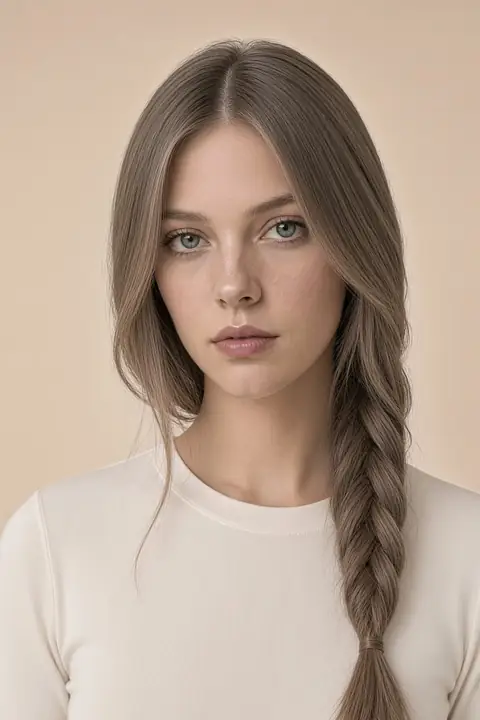 Hairstyles
 Hair color
 Facial hair
 Photo privacy
 Headshots
 Clothes
 Enhance
 Background
 Remove