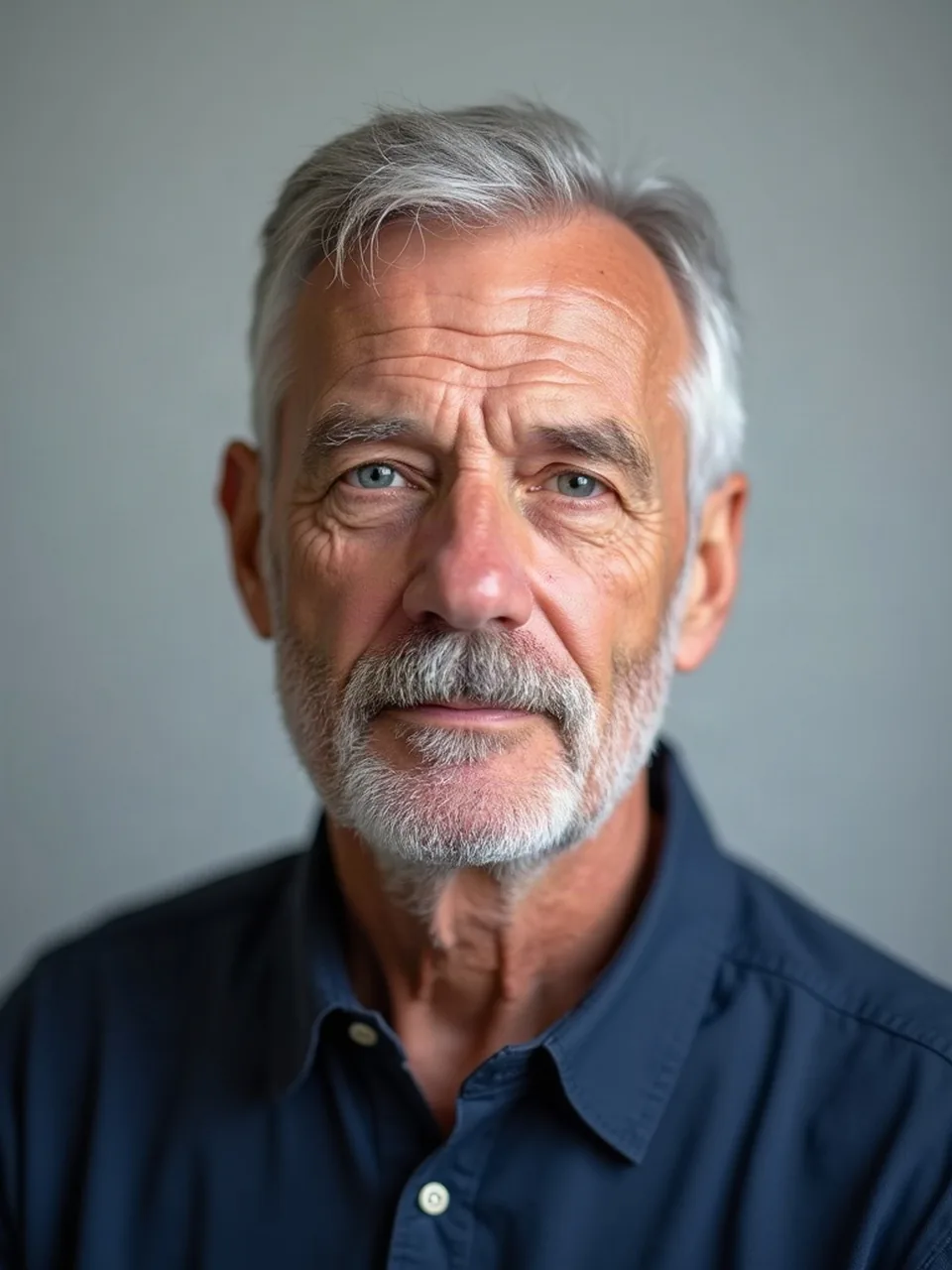
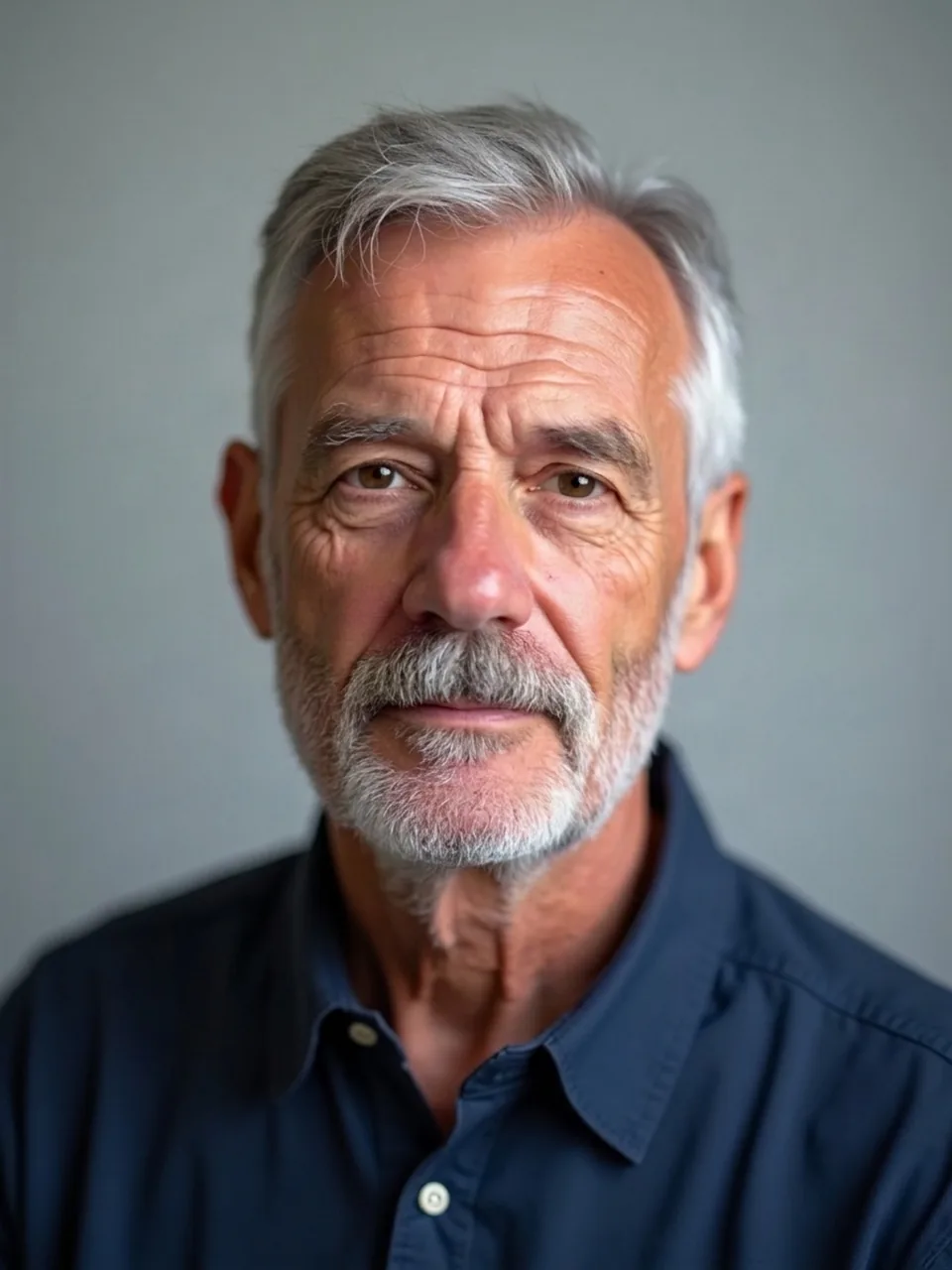
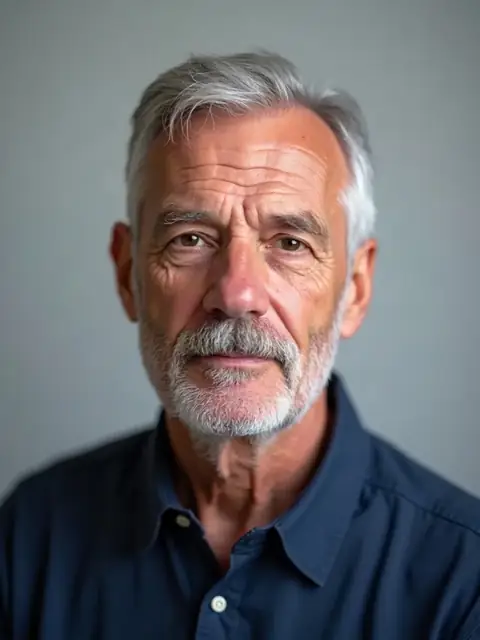
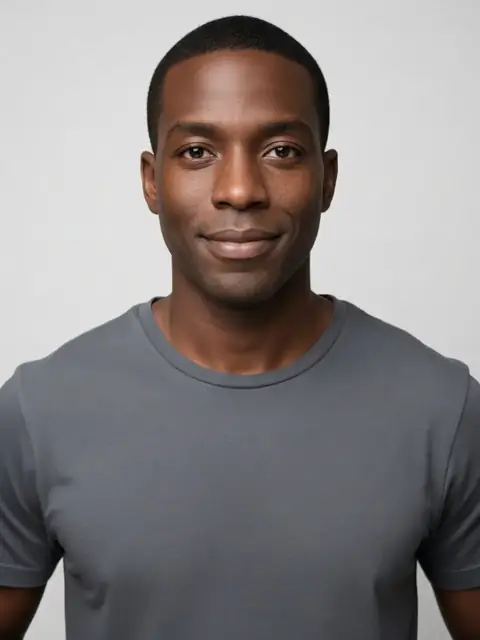
 Smile filter
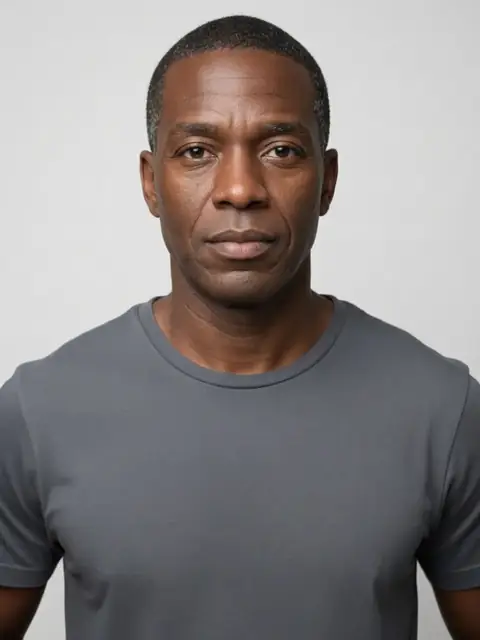 AI age filter
 Fat filter
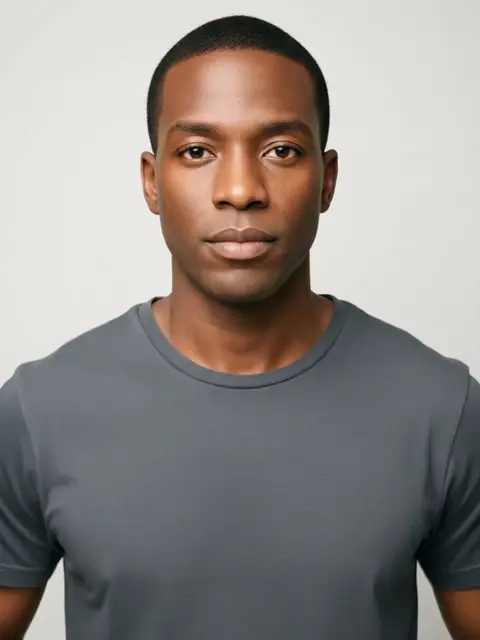 Skin color changer
EasyFace’s eye color changer recolors the iris in the photo you upload. Hair, skin, and the white of the eye are supposed to stay. Eye color in a close photo is a few millimeters of iris and a white dot where the lamp reflects. Change the wrong millimeter and the eye looks injured, or like a contact lens that does not fit.
What an eye color changer changes (and what it leaves alone)
The edit aims at the iris. It asks the rest of the face, including skin tone and hair, to remain, along with clothes and background. The run moves the iris toward the color you picked: brown, blue, green, hazel, gray, or amber. Judge the iris in the original and in the result at the same zoom. A change you can only see by flipping the phone’s brightness was not worth a credit. A change that repaints the eyelid was too much.
The catchlight is the white reflection on the cornea, not part of the iris pattern. The model sometimes eats it, so the eye goes dull, or gives each eye a different window. Reflections should still read as one room. A flat disc with no texture is a sticker, not a recolored iris.
The sclera, the white, is the frequent spill. A prompt about a darker iris can drag gray or blue into the white, especially at the corner. A lighter iris can leave a colored halo, a contact-lens ring that sits on top of the iris edge instead of inside it. You can spot the ring by looking for a hard circle that does not follow the pupil. Your pupil size should stay. An iris recolor that also blows the pupil wide, or pinpoints it, changed the expression of the eye without being asked. We asked for color.
Eye color changer vs a skin color changer
Glasses glare is a bright plane in front of the iris. If the glare already hides one eye, the model invents an iris, and invented irises are where the two eyes stop matching. Tilt your head or take the photo where the lamp is not in the lens. A little reflection on the frame is fine. A whiteout over the pupil is not a source image. Sunglasses are useless here. Tinted lenses shift the apparent iris before we start, and the edit will chase that tint.
Both eyes should receive the same hue. Heterochromia in the upload is a detail to keep, not a defect to "fix," unless you specifically wanted one change and the prompt was written that way. A result that matches two previously different eyes, or splits two matching ones, needs a hard look. Brows, lashes, and eyeliner should stay. A new lash line arriving with a new iris is the model redrawing the eye as a unit. Skin around the eye should not pale or deepen to make the iris "pop." That spill belongs on the Skin color changer, and even there it is only a slight step. If this page changes skin, it left its lane.
Hair is the same rule. A blue iris does not require blonde hair, and the model is not invited to dye it. The Smile filter is a mouth edit. A new smile in an eye-color file means the expression drifted. Discard the pair of changes together. You cannot trust the iris from a pass that also rebuilt the mouth.
Photos where both eyes are visible
Close enough that the iris has pixels, far enough that both eyes and the nose are in frame so you can check identity. A crop that is only one eye gives you no second eye to audit and encourages a redraw of the brow. Daylight or a window, not a color gel. If you wear colored contacts in the source photo, you are asking the model to recolor a recolor. Take them out if you want the shift from your own iris.
How to use the eye color changer names each control. Faces you do not want to publish can be blocked locally with Face blur.
Look at the limbus, the dark ring where the iris meets the white. A real iris fades into that ring. A result that draws a hard circle, the same width all the way around and lighter than the color inside it, is a lens painted on. The pupil should stay the size it was in the room you photographed. A pupil that shrinks to a pin in a dim kitchen, or that opens until the color you asked for disappears, edited the light, not the pigment. Catchlights have to agree: one window, one position in both eyes. A sparkle at the upper left of one iris and the lower right of the other is two lamps that were never in the room. Then check the lid. An iris edit that also lifts the crease, or that erases a vein in the white, redesigned the eye to make the color louder. The skin beside the nose should not warm up to match a new brown or cool down to match a gray. If the brow hair changes shade with the iris, the run left the eye.
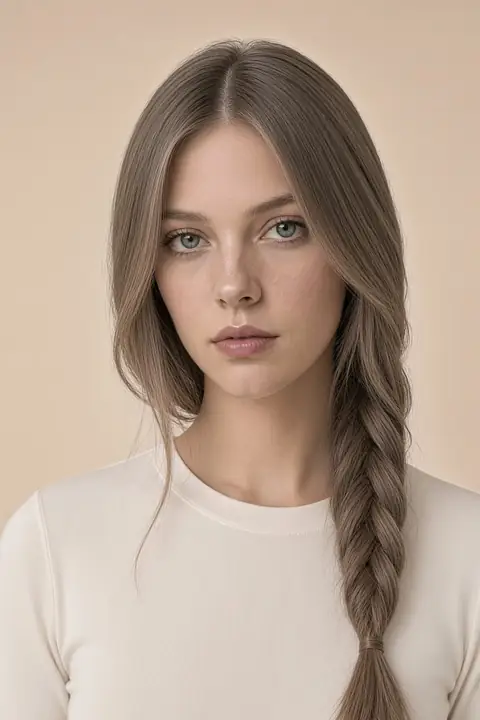 Hairstyles
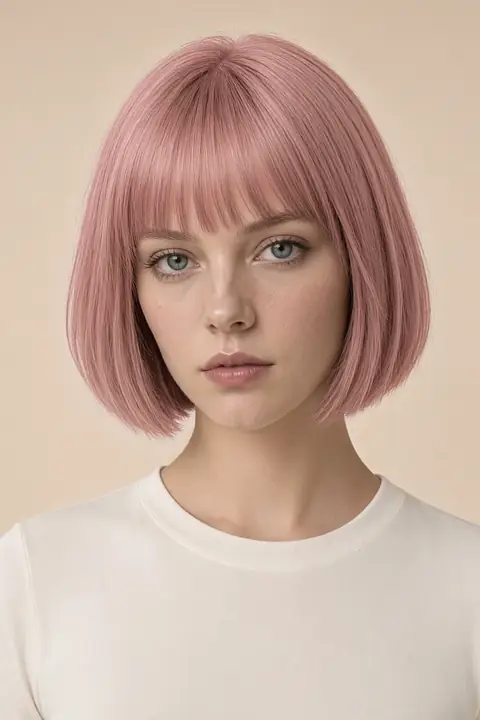 Hair color
 Facial hair
 Photo privacy
 Headshots
 Clothes
 Enhance
 Background
 Remove